
Key Takeaways
- Proper basement preparation helps prevent moisture, drafts, mold, and structural damage.
- Sealing windows, doors, and foundation cracks reduces energy loss and winter condensation.
- Unfinished basements require insulation and air sealing to stay warm and dry.
- Maintaining drainage and gutters helps prevent basement flooding in winter.
- Circulating air before temperatures drop minimizes humidity and improves air quality.
As temperatures begin dropping and summer transitions into fall, basement preparation becomes essential when planning basement finishing in Highlands Ranch. Your basement is naturally more prone to dampness, cold drafts, and moisture problems, issues that can worsen during winter if not addressed.
Taking a few proactive steps now can help you avoid high energy bills, prevent winter moisture damage, and keep your basement warm, dry, and safe all season long.
1. Seal Windows and Doors
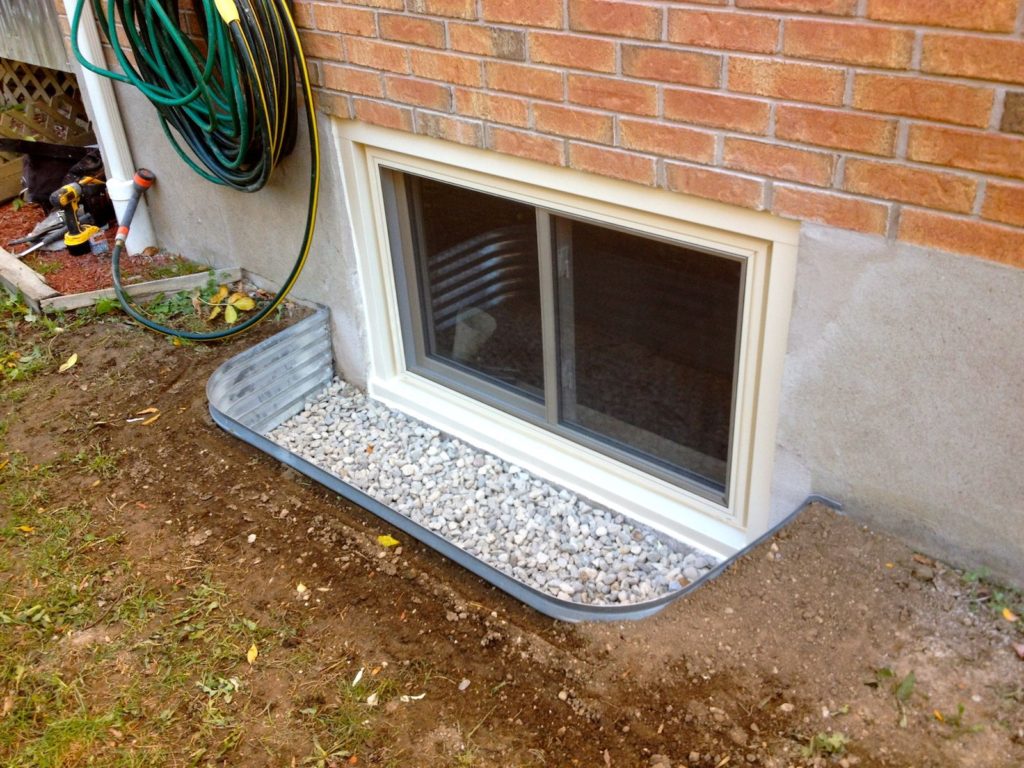
Start your basement preparation by inspecting all windows and exterior doors for cracks, gaps, and damaged weatherstripping.
✔ Replace brittle or cracked weatherstripping
✔ Caulk small gaps and holes
✔ Upgrade old windows and doors if the budget allows
Cold air entering through drafty openings increases moisture and worsens indoor air quality.
Also, check gutters and downspouts to ensure water flows away from your foundation, improper drainage is one of the leading causes of basement moisture.
If you’re unsure how to improve your basement’s waterproofing, explore our basement finishing services for expert guidance.
2. Inspect the Exterior Foundation
Walk the perimeter of your home and examine the foundation for:
- Cracks
- Gaps
- Holes
- Areas where water pools near the structure
Winter moisture encourages mold and mildew growth, making foundation repairs a critical part of your basement preparation. Sealing cracks keeps cold air and water from penetrating the walls.
3. Address Unfinished Basement Issues
Unfinished basements are especially vulnerable during cold months. Cement block walls are porous, allowing cold air and moisture to seep in.
To improve warmth and reduce condensation:
- Seal the exterior mudsill
- Insulate rim joists and joist bays
- Install XPS foam insulation panels
- Consider vapor barriers where appropriate
DIY-friendly options are available, but hiring a basement finishing specialist ensures long-term protection and energy efficiency.
4. Improve Air Circulation
Before temperatures drop, use a fan to help circulate air throughout your basement. This helps:
- Reduce humidity
- Prevent musty odors
- Move residual warmth through the space
Improved airflow is a simple yet powerful step in preparing your basement for winter.
Get Your Basement Ready for Winter
Winter can be harsh on basements, but with the right basement preparation, you can stay ahead of moisture issues, prevent costly repairs, and improve energy efficiency. Whether you have an unfinished basement or a fully finished living space, preparation now means comfort later.
Thinking of upgrading or waterproofing your basement? Our team specializes in creating warm, dry, and energy-efficient basement spaces.
📞 Contact us today to schedule a consultation and get your basement winter-ready!
Frequently Asked Questions (FAQs)
Why is basement preparation important for winter?
Preparing your basement prevents moisture buildup, mold growth, drafts, and heat loss—protecting your home and lowering energy bills.
How do I know if my basement windows need sealing?
If you feel drafts, notice condensation, or see light around window frames, it’s time to replace weatherstripping or caulk the gaps.
Do unfinished basements need insulation?
Yes. Insulating joist bays and sealing the mudsill greatly reduces moisture and heat loss, making the space more efficient year-round.
Should I run a dehumidifier in my basement?
Yes, especially in humid climates. A dehumidifier controls moisture, reduces odors, and prevents mold growth.
Can basement preparation increase home value?
Absolutely. A dry, well-maintained basement improves structural integrity, lowers utility costs, and boosts resale appeal.