
Depending on where you live in the country, you may experience wetter seasons, especially during the colder months of the year. Subterranean basements can easily become chilled once cooler, wetter weather arrives, making proper planning during basement finishing in Highland Ranch especially important.
As you begin to look forward to Halloween and the upcoming holiday season, check out these tips for basement winterizing to prevent dampness and keep the warmth in!
Clean Your Gutters
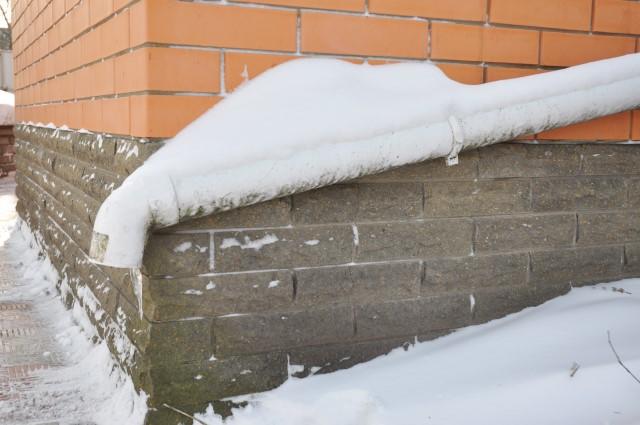
It may seem unrelated to the condition of your basement, but cleaning out your gutters is an easy and important task. It can prevent pooling water, ice, and snow. Falling leaves can easily clog the gutter, leading to overflow that can affect the conditions of your foundation.
While you’re at it, check on the exterior soundness of your basement. Check for cracks in the foundation that could allow for cold air and moisture seepage. Caulk any areas with pipes or holes that lead directly into your basement. Also, take a look at any basement window wells that may have leaf or debris build up, resulting in damage or festering mold or mildew.
Double Check the Seals on Windows and Doors
Have you noticed a chill when entering your basement? You may have some leaky seals in need of repair. This fall with your basement winterizing checklist, take a look at the doors and windows of your basement. Replace the old and cracked weatherstripping. New windows and doors may be required for shoring up against the colder winter temperatures. But if not, make sure your basement is properly sealed both indoors and outdoors. Properly sealing up your basement will prevent mold and mildew and also unwanted critters in search of warmth. If you don’t already have one, consider investing in a dehumidifier to ensure the basement stays dry all season long.
Water Heater Maintenance
In cold weather, water heaters can also freeze, causing burst pipes and potentially thousands of dollars in damages. Protect your pipes this year with insulation, which can be purchased at Lowes or Home Depot. You can also add a water heater jacket as an extra precaution, especially if you live in a place prone to colder winters.
Circulate Heat
Basements can be responsible for up to 20 percent of the heat loss in your home. Circulating the air with fans during the warmer months will help your basement stay warmer in the colder months, due to the warmth stored within the earth during spring and summer. Running fans is also a good way to prevent dampness and stagnant air, which can leach into the upstairs floors as well.
Frequently Asked Questions
Why should I winterize my basement?
Winterizing your basement helps keep it warm, dry, and energy efficient while reducing the risk of moisture problems, drafts, mold growth, and costly winter-related damage.
How can I keep my basement warm during the winter?
Improve insulation, seal air leaks around windows and doors, maintain your heating system, and use a dehumidifier to control moisture. These steps help create a more comfortable basement throughout the colder months.
Should I inspect my basement before winter arrives?
Yes. Check for foundation cracks, water leaks, damaged insulation, and drafty windows or doors. Addressing these issues before winter can help prevent bigger problems later.
Can cleaning gutters help protect my basement in winter?
Yes. Clean gutters and properly functioning downspouts direct water away from your home’s foundation, helping reduce the risk of water intrusion and moisture buildup in the basement.
Does winterizing improve energy efficiency?
Yes. Proper insulation, air sealing, and moisture control reduce heat loss, improve indoor comfort, and help lower heating costs during the winter season.