
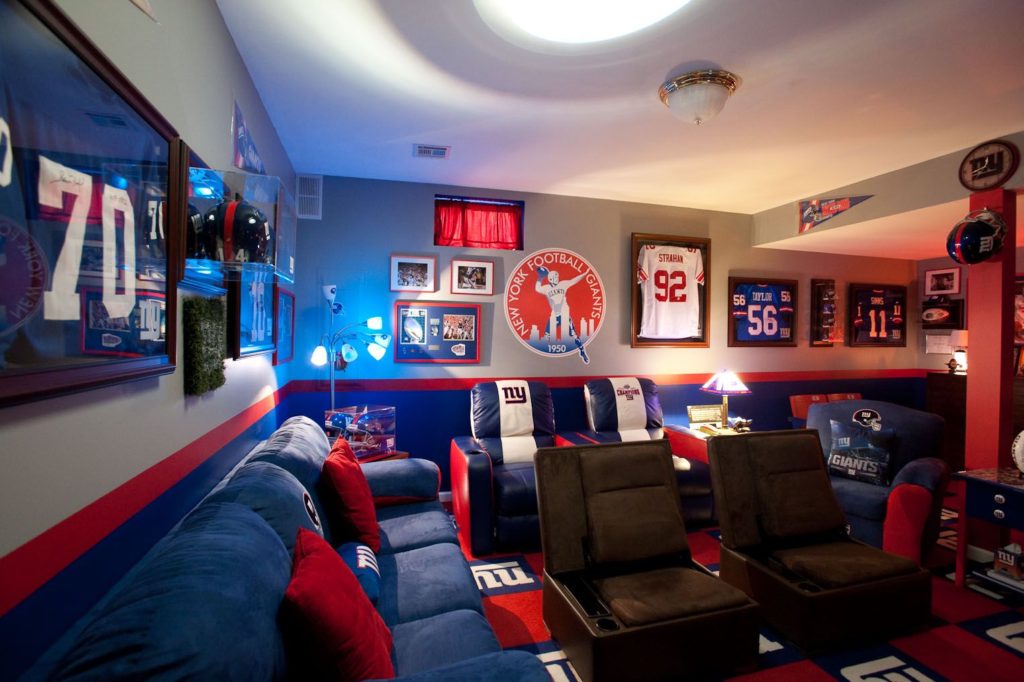
The basement lends itself to being the ultimate man cave – it’s already separated from the rest of the house and is both dark and moody, perfect for watching sports and movies. Basement man caves can also be a welcoming space not just for men but for all family members for relaxation and entertaining. Here are three steps to prepare to convert your basement into a man cave:
1. Make Sure the Space Is Comfortable
Check that there is no stagnant air by keeping the airflow moving with a fan or AC. To eliminate musty smells, look for the presence of mold or mildew. Keeping the right temperature could be a big issue as well, especially when temperatures drop.
To winterize your basement, start by installing additional insulation. Ignoring any of these issues will only lead to serious and expensive problems later on during basement finishing in Highland Ranch.
2. Plan For a Theme
Is your basement man cave going to be a game, movie, or collection display room? Or is it a combination of those things? These are some of the must-haves for each theme:
- Sports Junkie: large screen TV, trophies, sports memorabilia
- Movie Lover: large TV or projection screen, sectionals or sofa, dimmable LED lights, speakers
- The Collector: gallery wall, custom shelving, floating shelves, cabinet
3. Put it all together
Lighting makes all the difference in turning a basement into a finished space. Try to layer lighting by having one of each: ambient, task, and accent lighting. Soft furnishings such as fabric furniture add softness, warmth, and elegance to a man cave.
Finally, remember to keep it playful! Basement man caves are for having fun and escaping the routines of life. Mixing things through artwork and decor will make the space more casual and comfortable.
Plan Your Budget and Prep the Space
Before jumping into decorating, take time to plan your budget and prepare your basement for the transformation. Start by measuring the length, width, and height of the space so you know exactly what you’re working with. List all the essentials you’ll need, from furniture and electronics to flooring, lighting, and décor.
Get price estimates for each item, and remember to include building materials like drywall, paint, and insulation if you plan on making structural changes. It’s smart to add a 10–15% cushion to your budget to cover unexpected expenses, such as extra supplies or last-minute upgrades.
Your budget checklist might include:
- Furniture (sofas, recliners, bar stools)
- Electronics (TV, sound system, gaming consoles)
- Flooring materials (carpet, laminate, rugs)
- Lighting fixtures (ambient, task, and accent lights)
- Décor items (posters, memorabilia, shelving)
- Building materials (drywall, paint, insulation)
Once you have a budget in place, shift your focus to the condition of the space. Address any water issues by waterproofing walls and floors, sealing cracks, and adding a sump pump if your basement is prone to flooding. Insulate walls and ceilings to improve temperature control, especially if you plan to use the space year-round.
This is also the perfect time to run new electrical wiring for outlets, lighting, or a home theater system, and to install internet connections for gaming or streaming.
Essential prep work can include:
- Waterproofing and sealing walls and floors
- Installing or upgrading insulation
- Adding or relocating electrical outlets
- Running internet or cable connections
- Checking plumbing and HVAC if you’re adding a bathroom or kitchenette
By carefully planning your budget and tackling prep work early, you’ll create a safe, comfortable, and functional foundation for your man cave. This not only prevents costly problems down the road but also ensures the finished space will be ready for any theme or design you choose.
Design Solutions for Small or Shared Basements
Not every basement offers the luxury of unlimited space, but that doesn’t mean you can’t have a great man cave. If your basement also serves as a laundry room, storage area, or workshop, you can still carve out a dedicated retreat with smart planning and space-saving solutions. The key is to define your man cave zone clearly so it feels like a separate space, even if it shares the room with other functions.
Ways to create separation and privacy include:
- Partitions or sliding doors: Install lightweight panels, sliding barn doors, or room dividers to visually and physically separate the space.
- Curtains: An inexpensive option that’s easy to install and move when needed.
- Built-in shelving units: Use open shelves as both storage and a subtle divider.
Once you’ve marked off your area, choose furniture and features that work double duty. For example, wall-mounted shelves keep items off the floor, fold-out desks save space when not in use, and multipurpose gaming tables can double as dining or work surfaces.
Smart small-space ideas:
- Combine a kitchenette with a bar counter to save floor space.
- Use under-sofa storage bins or ottomans with hidden compartments.
- Add vertical storage for sports gear, games, or memorabilia.
By thinking vertically, using multifunctional furniture, and creating clear boundaries, you can turn even the smallest basement nook into a comfortable, functional man cave that fits your style and needs.
Final Thoughts: Your Basement, Your Rules
With a bit of planning and creativity, your basement can become the perfect retreat for relaxation, entertainment, or showing off your favorite collection. Whether you’re into sports, movies, or gaming, creating a man cave that reflects your personality makes the space all the more enjoyable.
Don’t be afraid to mix themes, have fun with the design, and make it a place everyone wants to hang out in.
Frequently Asked Questions
What Makes a Perfect Man Cave?
A perfect man cave reflects your personality and interests. It’s a comfortable, well-ventilated space with the right lighting, theme, and furnishings to relax, entertain, or display your favorite items.
How to Build the Ultimate Man Cave?
Start by ensuring the basement is dry, insulated, and properly ventilated. Then, choose a theme, plan your layout, and add layered lighting, cozy furniture, and personal touches to complete the space.
Do You Need Permission to Build a Man Cave?
Yes, you may need permission or permits depending on the scope of your project and local regulations. It’s important to check with your local building authority or homeowners association (HOA) before starting, especially if you’re making structural changes or additions.
Do You Need Planning for a Man Cave?
Yes, planning is key. Think through comfort, theme, layout, lighting, and ventilation. A good plan ensures your man cave is both functional and enjoyable long-term.