
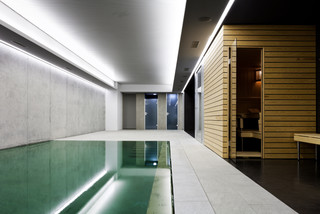
Picture a hot summer day. Instead of carpooling to your local pool, you walk a few steps down into your basement swimming pool and enjoy the most relaxing and private indoor pool area.
Turning your basement into a pool may not be as straightforward as adding a few rooms or updating the kitchen, but it can significantly enhance your home’s value and enjoyment, ultimately benefiting you when it’s time to sell through basement finishing in Highland Ranch. An indoor basement swimming pool is not only convenient during the summer months but can be enjoyed year-round for entertaining, parties, and exercise.
Basements serve as the perfect setting for indoor pools. Due to the location, flooding is not as much of a concern. The concrete floor is ideal for a pool and lounge area. Depending on space and budget, you may be able to add a hot tub or spa area. Outdoor pools often require a lot of maintenance, especially after a long winter season.
An indoor basement swimming pool will not collect debris, bugs, dirt, or pollen like outdoor pools. They are safer for young children as a lock can be installed on the basement door, and an automatic pool cover can be included to ensure safety at all times.
Things to Consider When Installing an Indoor Swimming Pool
1. Space Requirements
Ensure your basement has enough room for the pool, including clearance for circulation and safety. Keep in mind that basement pools are typically more expensive than outdoor pools due to excavation challenges, structural modifications, and specialized construction. Factor these costs into your planning early so you have a realistic budget.
2. Cost & Budget Planning
Before committing to a basement swimming pool, it’s important to understand the costs involved. Indoor pools are typically more expensive than outdoor ones due to excavation in a confined space, potential structural modifications, and specialized equipment. Your budget should account for both construction and ongoing operating expenses.
Key cost factors include:
- Excavation and structural work: Digging in a basement may require reinforcing walls, floors, or ceilings.
- Waterproofing: High-quality waterproofing materials and techniques are essential for long-term protection.
- Materials: Pool shell options like concrete, fiberglass, or vinyl liners vary in price, durability, and maintenance needs.
- Ventilation and humidity control: Dehumidifiers, HVAC upgrades, and ventilation systems are crucial for air quality.
- Finishes and features: Tile, lighting, spa add-ons, and custom design details can significantly impact the budget.
Don’t forget ongoing costs such as heating, electricity for filtration and ventilation, chemical treatments, and regular servicing. Setting a realistic budget early and adding a cushion for unexpected expenses will help ensure your project stays on track without sacrificing safety or quality.
3. Ventilation
Proper airflow is crucial to prevent moisture buildup and maintain air quality in the enclosed space. A well-designed ventilation system will also help control humidity, reducing the risk of mold and lowering long-term maintenance costs.
4. Waterproofing
Invest in high-quality waterproofing materials and techniques to protect your basement from water damage over time. Choose durable pool shell materials suited for indoor use, such as concrete for longevity, fiberglass for lower maintenance, or specialized vinyl liners for a softer feel.
5. Permits and Regulations
Before construction begins, check your local building codes and zoning regulations. Permits are typically required for indoor pools, and inspections may be needed to ensure the work meets safety and structural standards.
6. Maintenance
Like any pool, an indoor basement swimming pool requires regular upkeep. This includes cleaning, water testing, filter maintenance, and monitoring humidity control systems. Plan for ongoing costs such as heating, electricity for dehumidifiers, and routine servicing to keep your pool in top condition year-round.
7. Professional Installation and Design
Always consult an experienced contractor who specializes in basement pools. They’ll assess how far to safely dig, whether ceiling height needs adjustment, and how to accommodate mechanical systems.
Beyond function, think about design: choose modern tile finishes over basic liners, and consider luxury additions like a hot tub, spa features, or even French doors that lead to an outdoor patio for a seamless indoor/outdoor feel during warmer months.
Benefits of Having a Basement Pool
Installing a basement pool offers more than just luxury; it brings practical advantages that make it a valuable addition to your home:
- Year-Round Use: Unlike outdoor pools, basement pools can be enjoyed in any season, regardless of weather conditions.
- Privacy and Convenience: Swim, exercise, or unwind in the comfort of your own home without the need to visit a public pool or gym.
- Easier Maintenance: Indoor pools are protected from outdoor debris and weather, making them easier to maintain and potentially reducing chemical usage.
- Entertainment Value: A basement pool creates the perfect space for hosting parties, relaxing with family, or entertaining guests year-round.
Transform Your Basement: Schedule a Consultation for Your Pool Installation.
An indoor basement pool is a major investment, but with the right planning, it can become one of the most enjoyable and valuable features of your home.
Take time to explore your design options, set a realistic budget, and consult a professional who specializes in basement pool installations. Their expertise will ensure your project meets safety standards, stays within budget, and delivers the look and functionality you want.
With thoughtful design and quality construction, your basement can transform into a private, year-round retreat your family will enjoy for years to come.
Frequently Asked Questions
Can You Build a Pool in Your Basement?
Yes, you can build a pool in your basement with proper planning, space, waterproofing, ventilation, and adherence to building codes. It’s best to consult an experienced contractor.
What Are the Benefits of Swimming Pool Water?
Swimming pool water provides a low-impact environment for exercise, which is great for cardiovascular health, joint mobility, and stress relief.
Is It Good to Have a Swimming Pool at Home?
Yes, having a home pool, especially indoors, offers year-round access, privacy, added property value, and a convenient space for fitness and relaxation.
What Is a Swimming Pool Room?
A swimming pool room is an enclosed area in a home that contains an indoor pool. It often includes ventilation, waterproofing, and climate control systems to maintain air quality and prevent moisture issues.