
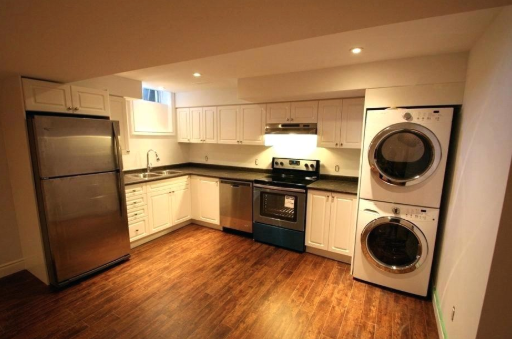
When renovating or finishing your basement, a good option may be to turn it into a completely separate living space. A finished basement apartment will add to the usable square footage of your home, but also serve as a separate guest area, in law suite, or a rentable apartment.
Turning your basement into a livable apartment area may be more work, depending on the state of your basement and the scope of basement finishing in Highland Ranch. But an actual separate living space will increase your home’s property value and may provide an opportunity for additional income if you choose to rent it out. The overall budget for a basement apartment will vary depending on the condition of your apartment, the finishes and materials you choose, and the demolition or renovation that needs to take place.
For instance, walls may need to be torn down or put up, new windows may need to be installed, and an independent heating and air unit should be considered to ensure a comfortable and moisture-free environment.
What Makes It a “basement apartment”?
In order for the basement to actually be considered a basement apartment, the floor plan must include a kitchen (ideally furnished with a refrigerator, stove, and oven top), a full bathroom, a living room, a dining area, at least one bedroom, a closet, storage space, and a separate entrance.
The best way to kickstart a basement apartment project is to consult with a contractor to determine the budget, plan of action, layout, and floor plan. You may choose a standard apartment layout design with an enclosed bedroom or a studio apartment with an open floor plan.
If you choose to rent out your basement apartment, neutral colors and materials are best for attracting renters. Be sure to research your city’s laws and make sure your apartments meet legal requirements for serving as a rental property. These days, there are plenty of options available online for both short and long-term rentals, including Airbnb, Zillow, realtor.com, and many more.
Things to Consider Before Creating a Basement Apartment
Turning your basement into a livable apartment can be a smart investment, but it requires careful planning to ensure the space is safe, comfortable, and legally compliant. Before starting your renovation, take time to evaluate the following factors:
- Legal and Zoning Requirements: Check your local building codes and zoning laws to confirm that basement apartments are permitted in your area. You may need specific permits, and the space must meet requirements for ceiling height, ventilation, fire safety, and emergency exits.
- Budget and Cost Planning: Basement apartment renovations can range widely in cost depending on the work required. Factor in expenses for structural modifications, plumbing, electrical, HVAC, waterproofing, finishes, and furnishings. Set aside a contingency fund for unexpected repairs or upgrades.
- Moisture and Waterproofing: Basements are prone to dampness, so waterproofing is essential. Install vapor barriers, seal walls and floors, and consider a sump pump or drainage system to prevent water damage and mold growth.
- Lighting and Ventilation: Since basements often have limited natural light, plan for adequate windows or light wells where possible. Complement this with layered indoor lighting and ensure proper ventilation to maintain air quality.
- Soundproofing and Privacy: To make the space comfortable for both you and your tenant or guests, add soundproofing between floors and in shared walls. This helps reduce noise transfer and increases privacy.
By addressing these considerations early in the process, you’ll set a solid foundation for a basement apartment that is safe, functional, and appealing to potential renters or guests.
Pros and Cons of a Basement Apartment
Before starting your renovation, it’s helpful to weigh the advantages and challenges of creating a basement apartment. While it can be a valuable investment, there are important factors to consider.
Pros
- Additional Income: Renting out a basement apartment can provide a steady source of income.
- Increased Privacy: With a separate entrance, it offers privacy for both the homeowner and tenant.
- Cooler Temperatures: Naturally cooler spaces can help reduce air conditioning costs in warmer months.
- Accessible Entry: Ground-level or near-ground entrances are easier for seniors or guests with mobility concerns.
- Less Street Noise: Basements often experience reduced outside noise compared to upper-level units.
Cons
- Noise From Above: Footsteps or appliance use from upper floors may be more noticeable.
- Moisture and Humidity: Without proper waterproofing, basements can be prone to dampness and mold.
- Limited Natural Light: Fewer windows mean some units can feel darker or more enclosed.
- Security Risks: Ground-level windows may require extra security measures.
- Legal Restrictions: Some areas have zoning or building codes that limit basement rentals.
Final Thoughts on Basement Apartments
Creating a basement apartment is a smart way to increase your home’s value, generate rental income, and make better use of your space. Success comes from thorough planning, from meeting legal and zoning requirements to addressing moisture control, lighting, soundproofing, and safety features.
With the right budget, design choices, and professional guidance, your basement can be transformed into a comfortable, code-compliant living area that appeals to both long-term tenants and short-term guests.
Ready to explore the possibilities? Get a free estimate on your basement apartment project today and start planning a space that works for you and your future tenants.
Frequently Asked Questions
Is It Okay to Live in a Basement Apartment?
Yes, living in a basement apartment is okay as long as the space meets local building codes and safety standards. With proper ventilation, waterproofing, and design, it can be a comfortable and functional home.
What Is the Meaning of a Basement Flat?
A basement flat, also called a basement apartment, is a living space located partially or fully below ground level. It typically includes its own kitchen, bathroom, bedroom, and entrance, making it a self-contained unit.
What Are the Disadvantages of a Basement?
Some common drawbacks include limited natural light, potential moisture issues, noise from upper floors, and possible security concerns if windows are at ground level.
Why Is It Called a Basement?
The term “basement” refers to a level of a building that is partially or entirely below ground. It’s often used for storage, utilities, or converted into a living space like an apartment.