
Key Takeaways
- Choosing the right types of flooring for basement projects depends on how the space will be used and the level of moisture control.
- Concrete, carpet, and tile each offer unique benefits for basement environments.
- Proper waterproofing, moisture protection, and installation prep are essential before adding any flooring.
- Carpet tiles, epoxy finishes, and interlocking tile systems offer budget-friendly basement flooring upgrades.
- Considering future water damage risks is critical to selecting long-lasting basement flooring materials.
Carpet or concrete, hardwood or tile, there are many types of flooring for basement remodels, and choosing the right one is a key part of any renovation, especially when planning basement finishing in Highland Ranch. The right flooring depends on how your basement will be used. A rental unit, home theater, gym, or children’s playroom may require completely different flooring solutions.
If you’re wondering which materials hold up best to basement moisture, temperature changes, and foot traffic, take a look at our guide below.
1. Concrete
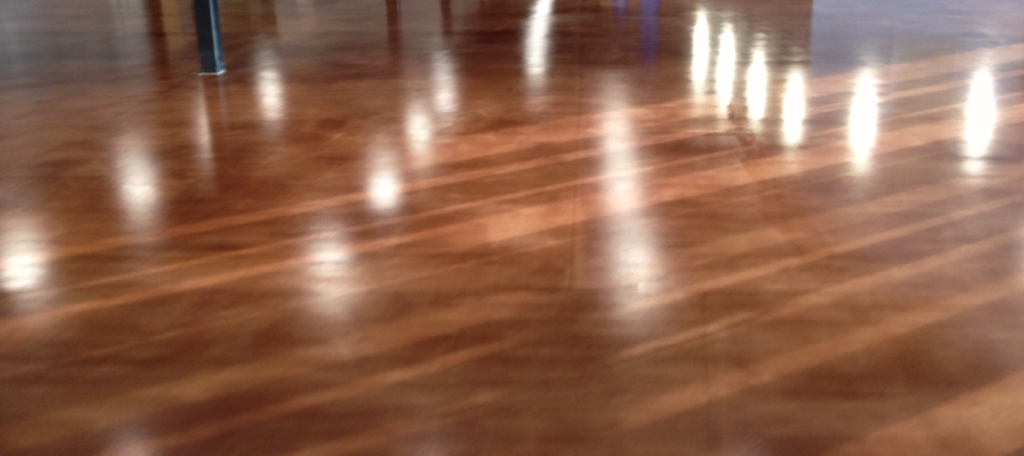
Refinished concrete floors are becoming increasingly popular for basement projects. For many homeowners, working with the existing concrete slab is the most affordable and straightforward option.
Benefits include:
- Easy repair of cracks and imperfections
- Ability to transform plain concrete with stain, paint, or epoxy
- Long-lasting durability
- Great for DIY-friendly projects
Before staining or sealing, make sure the floor and surrounding areas are thoroughly cleaned. Once sealed with epoxy, add area rugs for warmth and style.
Refinished concrete floors are becoming increasingly popular. For some, working with what is already available is the most affordable and convenient option. Cracks and crevices can be easily repaired, and stain and Epoxy can be applied to take a drab concrete floor to the next level. Depending on the state of your floors (and your level of comfort with DIY), refinishing a concrete slab could possibly be an easy project to complete yourself. Before staining, thoroughly clean all dust and dirt from your floors, baseboards, and walls. After the staining is complete, seal the floor with Epoxy to protect your newly stained floors. Once you’re ready to decorate and style the space, add a few area rugs for warmth and comfort.
2. Carpet
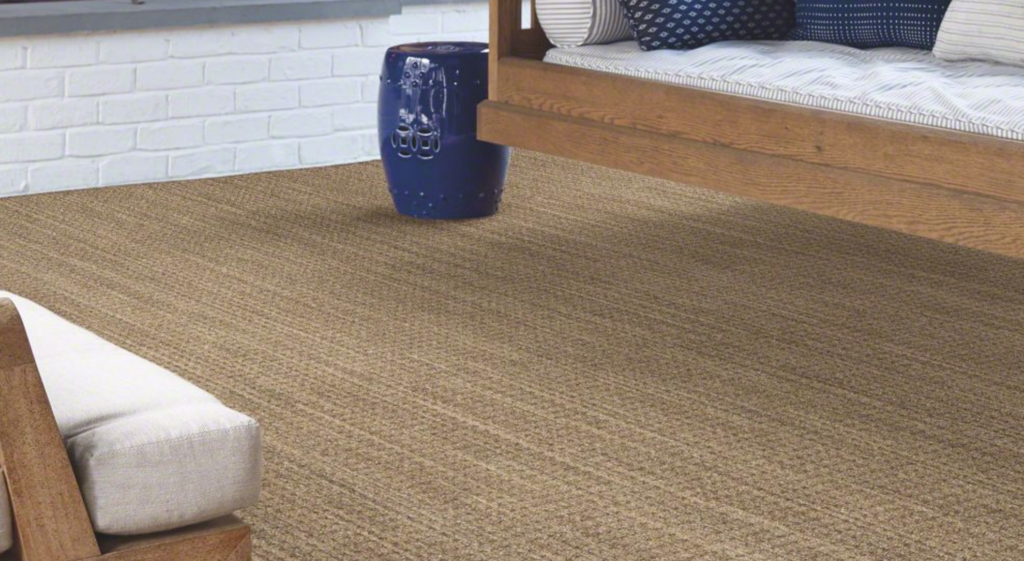
Carpet is a love-it-or-hate-it option, but it can be perfect for basements used as:
- Playrooms
- Family rooms
- Home theaters
Before installing carpet, it’s essential to ensure your basement is fully finished and waterproofed. Moisture issues can quickly ruin carpet and padding. Choosing anti-microbial carpet padding or carpet tiles offers extra protection and makes future replacement easier if only a small section becomes damaged.
For basements with high traffic or pets, consider selecting a durable, lower-cost carpet that’s easy to replace.
3. Tile
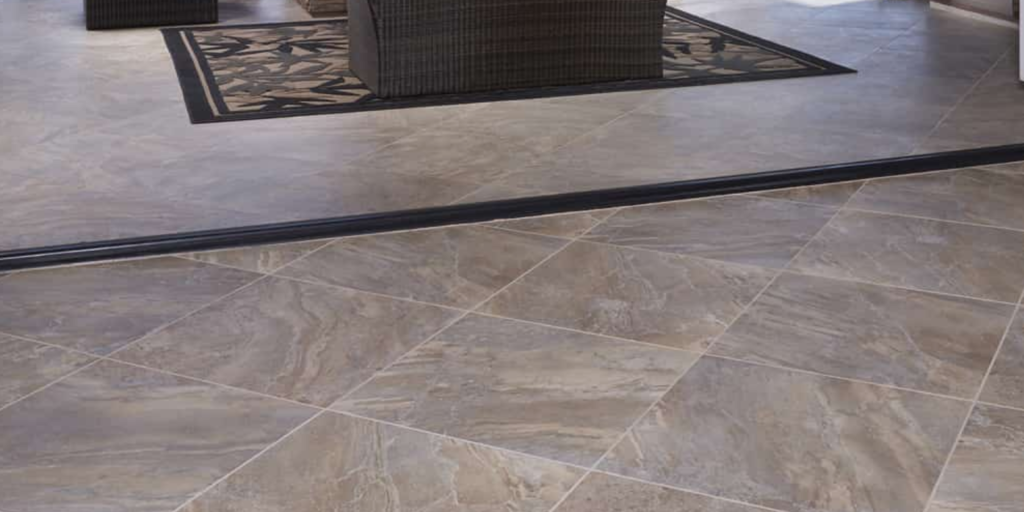
Tile is one of the most recommended types of flooring for basement renovations because it naturally handles moisture well.
Why tile works great in basements:
- Tile systems elevate slightly above concrete, allowing airflow
- They reduce the chances of mold and mildew
- Tiles come in endless colors, styles, and textures
- Interlocking tiles are easy to replace and maintain
- Tile can be an affordable, long-lasting option
Tile is ideal for homeowners who want a finished look without worrying about future water exposure.
Ready to Upgrade Your Basement Floors? We’re Here to Help
Choosing the right types of flooring for basement spaces can transform your entire home. Whether you’re planning a full remodel or a simple update, selecting flooring that fits your lifestyle and basement conditions is essential.
If you need help evaluating your basement, selecting materials, or planning a renovation, our team is here to support you.
📞 Contact us today to schedule a consultation and get expert guidance for your basement flooring project.
Frequently Asked Questions (FAQs)
What flooring is most durable for a basement?
Tile and sealed concrete are generally the most durable and moisture-resistant options for basement environments.
Is carpet a good idea for basements?
It can be, if your basement is waterproofed. Carpet tiles and antimicrobial padding are recommended for added protection.
Can hardwood be installed in a basement?
Traditional hardwood isn’t ideal due to moisture concerns. Engineered hardwood may work if humidity is controlled.
Do I need a moisture barrier under my basement flooring?
Yes. A moisture barrier is highly recommended to prevent mold, mildew, and flooring damage.
What’s the most affordable basement flooring option?
Refinished concrete or interlocking floor tiles are usually the most cost-effective choices.