
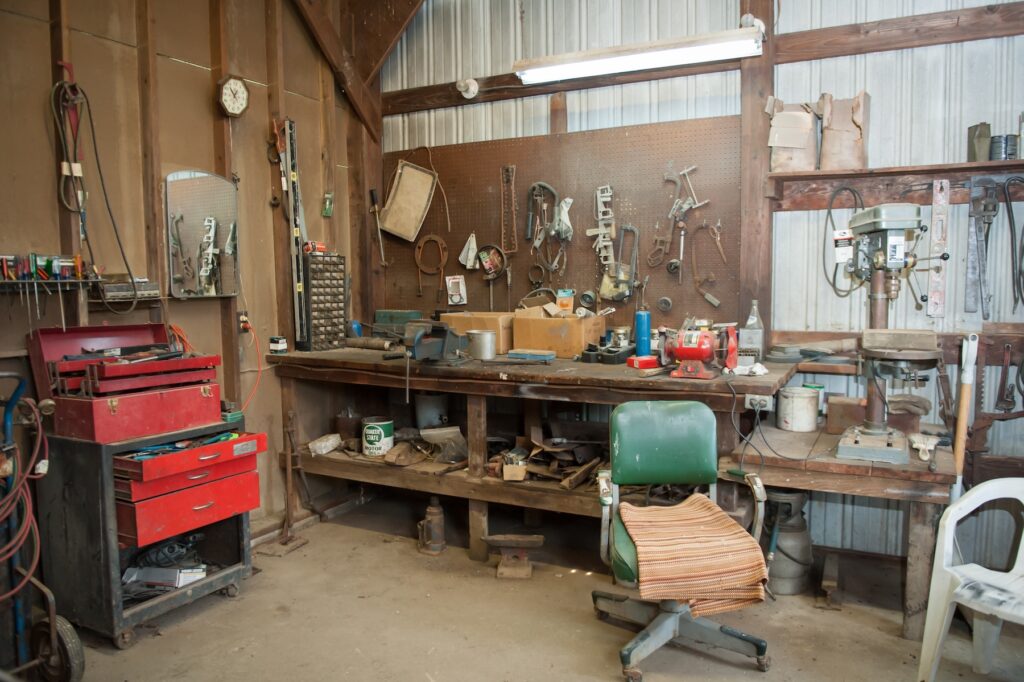
What goes into transforming a cluttered, chaotic basement into an organized workshop through basement finishing in Highland Ranch? There are a lot of details to consider when your goal is to save money and time and make efficient use of every inch available. Follow these tips meant to help you manage the different steps of transforming a basement workshop.
1. Be careful with the basement’s state and structure
Basements differ most from other parts of the house of because of the humidity level. Because of this, materials that will be used to cover surfaces are important considerations. Take time to think about plumbing, electricity, ventilation, the presence of natural light, and air quality, since you’ll be using the space where family and friends will be spending time.
2. Invest in good quality tools and supplies that are made to last
A few of the most important things to put in a workshop are:
-Workbench
-Safety equipment tools
-Shelving units
-Storage bins and containers
-Basic hand tools such as a table saw, miter saw, jigsaw, drills, etc
In addition, you can also consider using magnetic strips attached to walls for metal objects, rubbish bins, hooks and nails, and more. Getting all of these materials in good quality means they will last you for a long time, and will eventually save you time, money, and frustration in the long run.
3. Remember to have fun and get creative with the layout
There’s no right or wrong way to set up a basement workshop. Just make sure that you’ve considered safety precautions and that everything is easily accessible and aesthetically pleasing.
4. Keep everything well organized
A workshop that is well-organized and clean is the foundation for efficient and enjoyable work. The first step is decluttering, categorizing items, and then finally, optimizing for storage solutions. You may also consider investing in a vacuum cleaner to give your workshop floor an extra level of cleanliness. Making sure to do a quick clean-up daily and putting things back in place are simple things you can do to create a safe and efficient workspace for you to enjoy.
Frequently Asked Questions
How do I organize a basement workshop for DIY projects?
Start by creating designated zones for different tasks, such as woodworking, repairs, or crafting. Use shelving, cabinets, pegboards, and labeled storage bins to keep tools and materials organized and within easy reach.
What type of storage works best in a basement workshop?
Wall-mounted pegboards, sturdy shelving, tool cabinets, rolling tool chests, and clear labeled bins are excellent storage solutions. These options maximize space while keeping your workspace neat and efficient.
How can I make my basement workshop safer?
Ensure the workshop has adequate lighting, proper ventilation, clear walkways, and easy access to safety equipment such as fire extinguishers and first aid kits. Store hazardous materials securely and keep tools properly organized.
What flooring is best for a basement workshop?
Durable flooring such as epoxy-coated concrete, rubber mats, or luxury vinyl flooring works well in a basement workshop. These materials are easy to clean, resist wear, and provide a comfortable surface for extended periods of work.
Should I hire a professional to build a basement workshop?
A professional can help design an efficient layout, address electrical and lighting needs, improve ventilation, and ensure the space meets building codes, creating a workshop that is both functional and safe for DIY projects.