
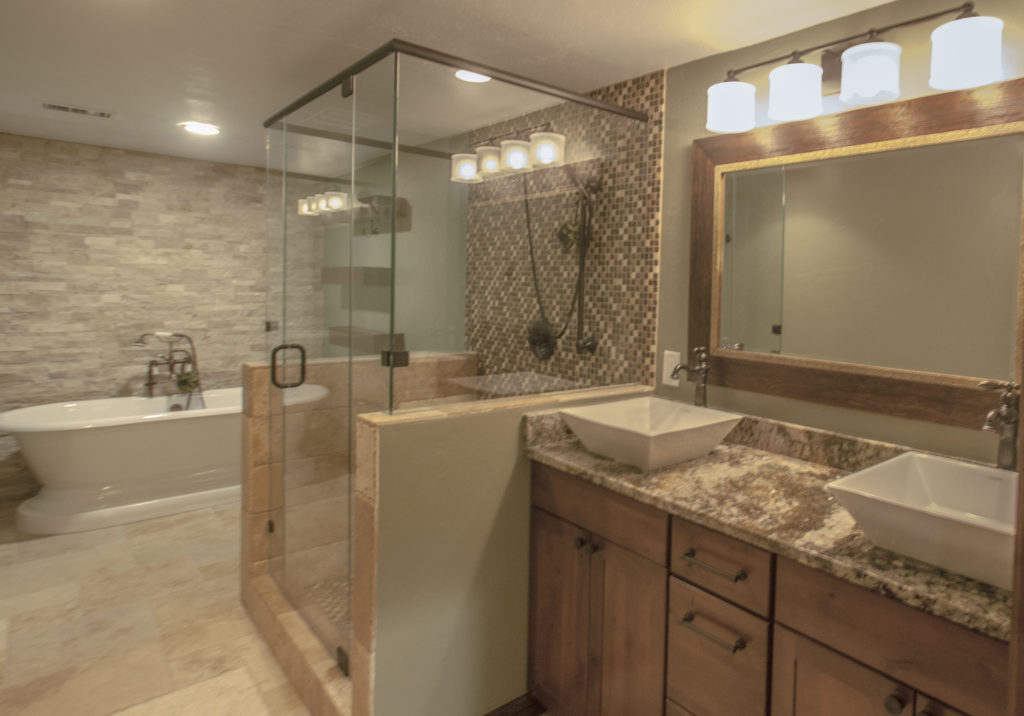
Although it seems like a challenging project, adding a bathroom to a basement can be a worthwhile endeavor as part of basement finishing in Highland Ranch. Since the space is a bit detached from the house, you can even add special features like a sauna or rain shower – it’s like having a spa under your roof. Here are some ideas for a successful basement transformation.
Plan
According to Forbes, the cost will depend on the structure that needs to be built (average cost $90,000) vs. utilizing the space that already exists (average cost $6,000). Keeping these numbers in mind will help you decide on what features to add so that you stay within your budget.
Small bathroom designs
Depending on the ceiling height, you might want to consider a “basement half bathroom”, which is a basement bathroom with a small space. This is doable as long as you incorporate small-space design principles such as using compact fixtures and effective lighting.3. Improve ventilation and comfort – Due to their subterranean nature, basements are prone to moisture, humidity, and odors. Look for durable and water-resistant materials such as tiles and flooring specifically designed for use in basements and bathrooms.
Maximize functionality and space storage
Embrace the whole space and make use of its unique qualities for space optimization. For example, make use of vertical shelving space or built-in storage units.
Add A Wow Factor
Since the basement bathroom is detached from the main living space, you have the flexibility to veer away from your main design theme. The wow factor could be dramatic wallpaper, themes such as beach, anchor, or ships, or a contemporary style that makes use of bright LED lights.
All in all, transforming your basement bathroom will require careful planning and attention to detail. But it’s all worth it so you can have a functional and stylish space that you’ll enjoy for years to come.
FAQs: Transforming Your Basement Bathroom
What should I consider before adding a bathroom to my basement?
You need to check existing plumbing and drainage routes, local building codes and permit requirements, ceiling height, and ventilation. Proper planning prevents moisture, mold, and structural issues and ensures your basement bathroom transforms into a safe, functional space.
How do I prevent moisture and mold in a basement bathroom?
Use moisture-resistant materials (e.g. cement board, waterproof tile), install a high-capacity exhaust fan venting outdoors, seal all joints, and ensure proper slope and drainage. Maintaining humidity below about 50% and insulating plumbing also help protect against mold and damage.
What are space-saving fixtures that work well in basement bathrooms?
Compact or wall-hung vanities, corner sinks, corner showers or walk-in showers with glass doors, wall-mounted toilets, floating shelves or recessed storage niches are all excellent. These fixtures help open up floor space and make the area feel larger.
Can I install a basement bathroom without breaking concrete floor?
Yes. Options like macerating (upflush) toilet systems or sewage ejector pumps allow you to avoid floor demolition. They grind waste and pump it up to the main sewer line. These are good alternatives when the slab is difficult or costly to break.
What types of flooring are best for basement bathrooms?
Waterproof or water-resistant flooring like luxury vinyl planks, porcelain or ceramic tiles, sealed concrete, or epoxy are ideal. Avoid solid hardwood. Use slip-resistant finish. An uncoupling membrane beneath tile helps reduce cracking caused by concrete movement.
How can lighting transform a windowless basement bathroom?
Layered lighting—overhead recessed lights, task lighting at the vanity, accent lighting for mirrors—brightens the space. Use large mirrors and light or reflective wall finishes (tiles, paint) to bounce light. Warm, neutral tones help make the room feel more inviting.
Does adding a basement bathroom increase home value?
Yes. A properly finished basement bathroom adds functionality, improves livability, and often boosts home resale value. Homes with extra bathrooms (especially in a basement) are more attractive to buyers. Return-on-investment depends on quality, permits, local market, and how well the bathroom is integrated.
What are common challenges when transforming a basement bathroom?
Low ceiling height, plumbing below the sewer line, lack of natural light, moisture/ventilation issues, and the cost of running supply/electrical lines. Addressing these early in design (e.g. pump systems, waterproofing, lighting design) helps avoid major headaches.